
Traditional Marketing Survive in 2026?
Ataulla Shaikh
October 1, 2025
GMB
For years, we’ve heard people say: “Traditional marketing is dead.” Yet in 2026, billboards still light up highways, radio jingles play in cars, and print ads show up in magazines. The reality is, traditional marketing hasn’t disappeared it has transformed.
So the big question is: Will traditional marketing survive in 2026? The answer isn’t simple. Let’s explore how it has evolved, where it still matters, and how it works alongside digital marketing in today’s world.
Traditional Marketing vs Digital Marketing
Traditional Marketing refers to offline methods like TV ads, radio, newspapers, flyers, posters, and billboards. These channels reach mass audiences and create brand visibility.
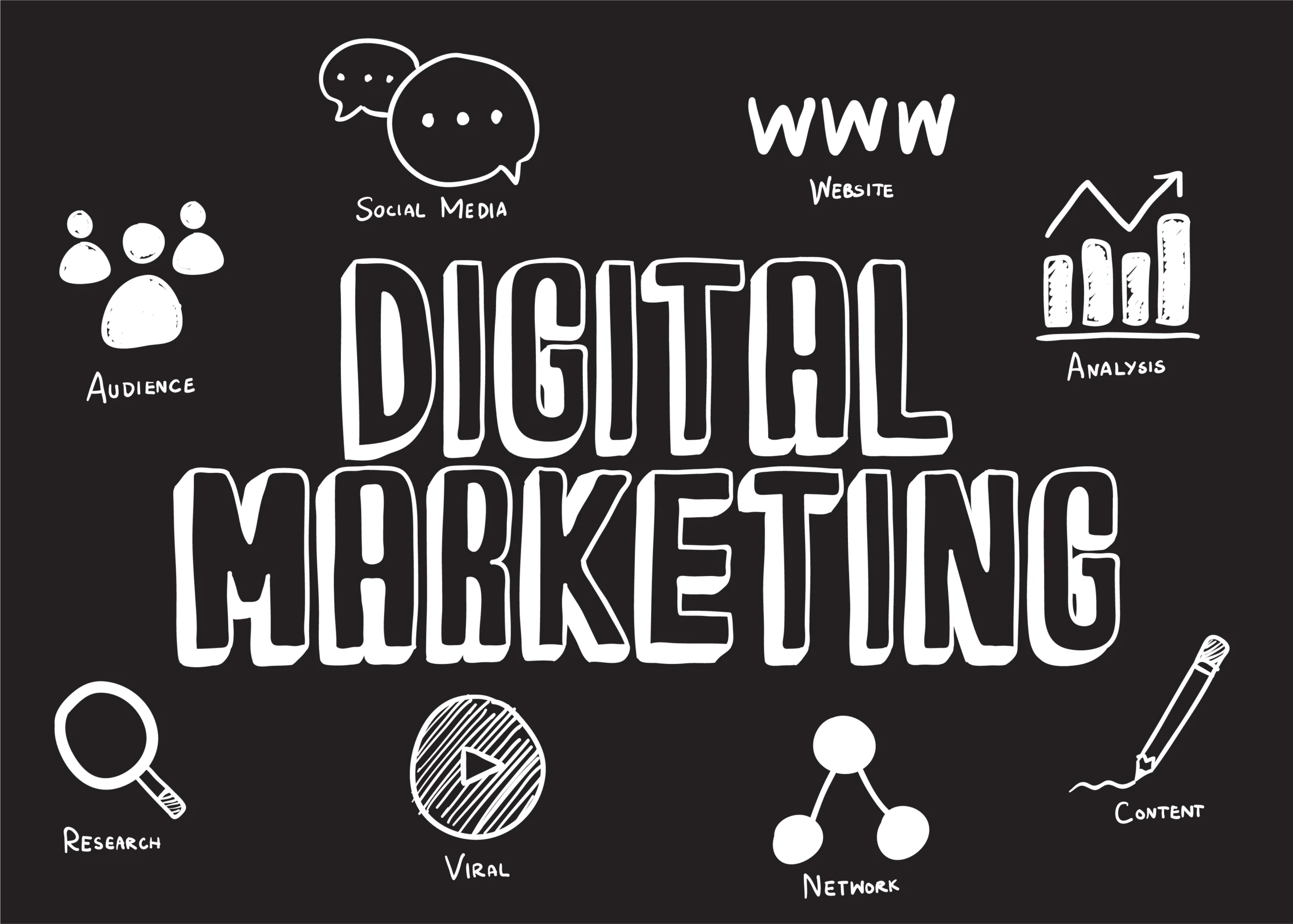
Digital Marketing, on the other hand, uses online platforms like social media, SEO, content marketing, and email campaigns. It offers data-driven results, personalization, and global reach.
In the past, businesses had to choose between one or the other. But in 2026, the debate has shifted. It’s not about traditional vs digital anymore it’s about how both can work together.
Why Traditional Marketing Still Survives
Even in 2026, traditional marketing holds unique strengths that digital cannot fully replace:
Mass Reach: A billboard in a busy city still gets millions of impressions daily.
Trust Factor: People often view print ads or TV commercials as more “credible” than digital ads.
Local Impact: Flyers, banners, and radio ads still work well for small businesses targeting local audiences.
Brand Recall: A catchy TV jingle or roadside hoarding can leave a stronger memory than a scrolling Instagram ad.
While digital marketing dominates conversations, these offline strategies continue to leave an impact where digital cannot always reach.


The Evolution of Traditional Marketing in 2026
Traditional marketing is not the same as it was ten years ago. It has merged with technology to stay relevant.
Billboards with QR Codes: Passersby can scan and instantly land on a brand’s website or product page.
TV Ads Linked to Smartphones: Smart TVs now let viewers shop directly while watching commercials.
Print + Digital: Magazines and newspapers use AR codes to bring static ads to life.
This blending of offline and online proves that traditional marketing isn’t dead it’s adapting.
Why Digital Marketing Still Leads
While traditional marketing has its place, digital marketing in 2026 is impossible to ignore:
Personalization: Ads on Google, Instagram, or YouTube are targeted specifically to users.
Measurable Results: Businesses can track clicks, conversions, and ROI in real-time.
Global Reach: A small brand can reach international customers instantly.
Cost-Effective: Running social media ads often costs less than printing banners or airing TV spots.
That’s why most businesses in 2026 focus on digital marketing as their primary strategy, while still using traditional media for specific campaigns.
Case Study: When Digital Meets Traditional
Imagine a fashion brand launching its new collection in 2026.
It puts up billboards with QR codes in major cities.
Runs Instagram Reels and TikTok ads showcasing influencers wearing the clothes.
Hosts a launch event streamed live on YouTube.
Publishes print ads with AR features in lifestyle magazines.
This mix of offline presence and online engagement ensures the campaign is seen by millions, across multiple channels, building both visibility and conversions.
This is how traditional and digital marketing complement each other in 2026.
Hybrid Marketing Strategies
So, will traditional marketing survive in 2026? Yes, but not on its own. Its survival depends on how well it integrates with digital methods.
Here’s how businesses are combining both:
Using offline ads to create awareness, and digital ads to drive conversions.
Leveraging events, print, and billboards to build credibility, while using social media to keep conversations alive.
Running TV commercials but linking them to apps and websites for instant purchases.
The hybrid approach is the future.
Conclusion
Traditional marketing is not dead in 2026 it has evolved. While digital marketing continues to dominate with data, personalization, and global reach, traditional methods still play a powerful role in building credibility, local presence, and brand recall.
The real winners are the businesses that combine both worlds. A smart mix of traditional and digital marketing creates stronger campaigns, wider reach, and deeper trust.
So instead of asking “Will traditional marketing survive in 2026?”, the better question is:
“How can traditional and digital marketing work together to build stronger brands?”
The future of marketing isn’t about choosing one it’s about blending both.
Recent Posts
Categories
Grow Your Business With Us
Lorem ipsum dolor sit amet, consectetur adipiscing elit. Ut elit tellus, luctus nec ullamcorper mattis