
Top Digital Marketing Changes in 2026
Ataulla Shaikh
October 1, 2025
Digital Marketing
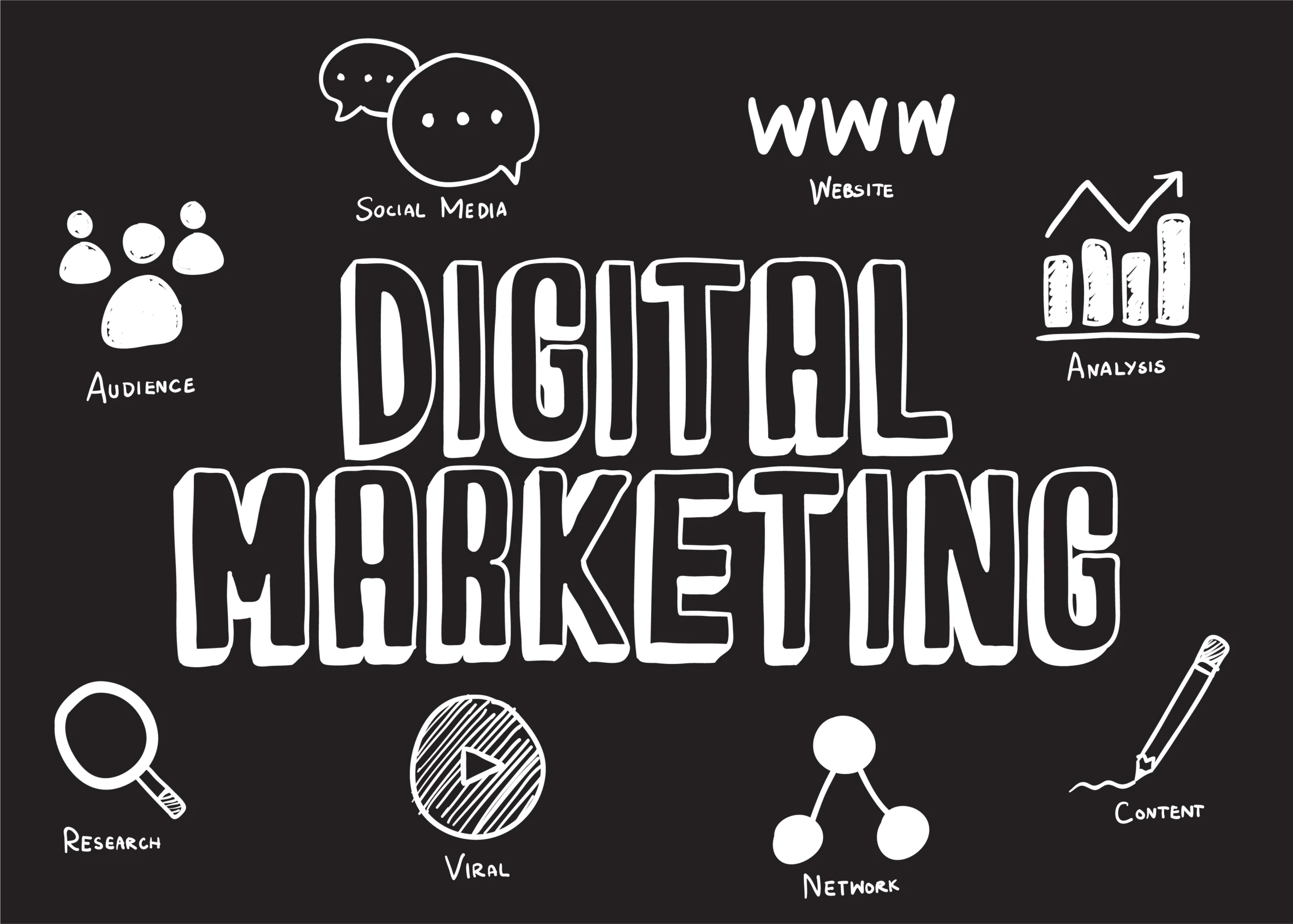
The world of digital marketing never stands still. Every year, new platforms, tools, and consumer behaviors reshape the way businesses connect with audiences. By 2026, we’re not just talking about small changes — we’re looking at a major transformation.
Marketers, business owners, and entrepreneurs must understand these shifts if they want to stay relevant. So, let’s dive into the biggest digital marketing changes in 2026 that you simply can’t afford to ignore.
1. SEO is No Longer Just About Keywords
For years, SEO revolved around keywords, backlinks, and on-page optimization. While these still matter, the rules in 2026 are very different.
Voice Search: With smart assistants and voice-enabled devices dominating households, people are searching in natural language. Instead of typing “best digital agency Pune,” they ask, “Which is the best digital marketing company near me?”
Visual Search: Platforms like Pinterest and Google Lens allow users to search using images. Optimizing images and product catalogs is now just as important as text.
AI-Driven Rankings: Search engines use AI to understand context rather than just words. Content that answers questions clearly and builds trust ranks higher.
SEO Keywords: digital marketing trends 2026, future of SEO
In short, SEO in 2026 is about user intent. Brands need to create content that answers questions, solves problems, and engages visually as well as verbally.
2. Content Marketing Gets Hyper-Personalized
The era of “one-size-fits-all” content is over. In 2026, consumers expect brands to know them individually.
AI Personalization: AI studies user behavior and delivers custom blogs, emails, and ads.
Micro-Audiences: Instead of one campaign for all, businesses create multiple versions for smaller, niche groups.
Interactive Content: Polls, quizzes, AR experiences, and immersive storytelling are in demand.
Brands that continue with generic messaging will lose attention. Personalization is not optional it’s survival.


3. Social Media Looks Very Different
By 2026, social media isn’t just about likes and shares anymore. Platforms have evolved into multi-functional ecosystems.
Short-Form Video Still Rules: TikTok, Instagram Reels, and YouTube Shorts dominate attention. But content is shorter, smarter, and more interactive.
Social Commerce: Users buy directly on platforms without leaving the app. Every post can be a shopping opportunity.
Decentralized Platforms: With privacy concerns, new decentralized networks are growing where users own their data.
For businesses, this means engagement-driven content and shoppable posts are critical. Simply posting pretty graphics won’t cut it in 2026.
4. The Rise of AI-Driven Marketing
AI is everywhere, but in 2026 it’s even more integrated into marketing:
Chatbots 2.0: Smarter, more human-like bots handle customer queries, book appointments, and upsell products.
Predictive Analytics: AI tells you which customers are likely to buy, unsubscribe, or even switch brands.
Automated Creativity: From designing graphics to writing product descriptions, AI tools assist marketers in speed and efficiency.
But here’s the catch: brands that rely only on AI risk losing their unique voice. The winners will be those who combine AI with human creativity.
5. Data Privacy Becomes Central
In 2026, data privacy is one of the biggest concerns for consumers and regulators. Governments are enforcing stricter rules around how businesses collect and use customer data.
Cookie-less Future: Third-party cookies are almost gone. Businesses must rely on first-party data and direct customer relationships.
Consent-Driven Marketing: Users have more control over what data they share. Transparency is key.
Trust = Conversions: Brands that respect privacy build stronger loyalty and better ROI.
If you’re not prioritizing ethical marketing and data protection, you risk losing customers fast.
6. Video Marketing is No Longer Optional
Video has been trending for years, but in 2026 it’s the heart of digital marketing.
Live Shopping Streams: Influencers and brands host live sessions where users buy in real-time.
AI-Powered Editing: Videos are faster and easier to produce, even for small businesses.
Immersive Experiences: Augmented Reality (AR) and Virtual Reality (VR) are becoming mainstream, letting customers try before they buy.
If your brand isn’t investing in video, you’re invisible.
7. Customer Experience is the New Marketing
By 2026, digital marketing is not just about campaigns it’s about experience. Every touchpoint matters:
Seamless Omni-Channel Presence: Customers expect consistency whether they interact on a website, app, chatbot, or offline store.
Faster Response Times: Waiting hours for a reply is unacceptable. AI + human support is a must.
Community Building: Successful brands are not just selling they’re creating communities around values and shared experiences.
Marketing in 2026 isn’t about pushing sales. It’s about building trust and belonging.
Final Conclusion
The digital marketing world in 2026 looks exciting, fast, and very different from what we knew just a few years ago. SEO is smarter, social media is shoppable, personalization is the norm, and AI is everywhere. But the essence of marketing remains the same: connecting with people.
The key takeaway? Businesses must adapt quickly. Those who embrace personalization, respect privacy, invest in video, and combine AI with human creativity will thrive. Those who resist change will fade into the background.
So if you’re a business owner, marketer, or entrepreneur in 2026, remember: the only constant in digital marketing is change. Be ready to evolve, or be ready to be replaced.
Recent Posts
Categories
Grow Your Business With Us
Lorem ipsum dolor sit amet, consectetur adipiscing elit. Ut elit tellus, luctus nec ullamcorper mattis